
Introduction: A Cold Night, A Quiet Street, and the Battery That Chose Who Slept
I’ve spent over 17 years helping homeowners and small contractors plan and buy backup power—often after a nasty storm. Residential energy storage systems sound simple until the lights go out and the math turns real. On a February morning during the 2021 Texas freeze, I watched one home run critical loads for 36 hours on a 10 kWh pack, while the house across the street lasted 6 hours and then went dark (the fridge contents told the tale the next day). As a consultant, I always vet a residential energy storage system manufacturer before I sign off on a layout or a bill of materials, because the fine print about surge power and thermal limits decides who keeps heat, light, and Wi‑Fi.
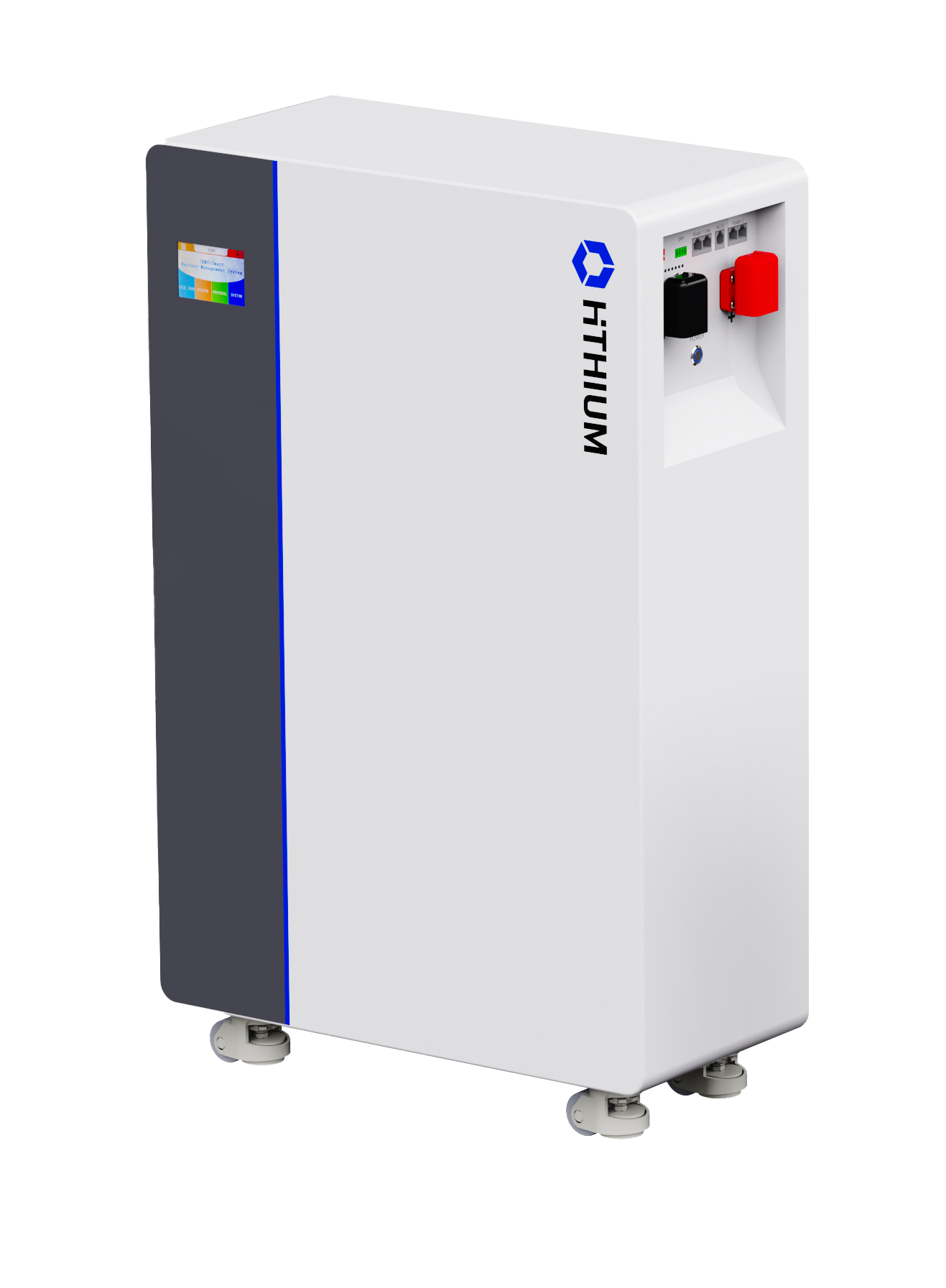
Here’s the data point that stuck with me: that 36-hour home held a steady 2.2 kW continuous with a 5 kW surge window, and a gas furnace blower to boot. The neighbor tried to start a deep well pump and tripped their inverter twice. Different gear. Different outcome. So, what separates a smooth night from a scramble with flashlights? I’ll break down the hidden trade-offs—power converters, state-of-charge estimation, and the parts you don’t see—in plain terms. Then I’ll show where smarter designs are heading (yes, the boring engineering choices matter). Let’s get into the real gaps that trip people up.
Where Traditional Fixes Crack Under Real Load
What fails first?
Let me be direct. Most shortfalls aren’t about total kWh. They’re about how that energy moves through the system when everything kicks on at once. I keep seeing legacy setups with undersized inverters, slim surge buffers, and a battery management system (BMS) that guesses the state-of-charge. That guess drifts when the house is hot or cold, and the system cuts out early to protect the pack. Look, here’s the rub: a fridge, a well pump, and a microwave can spike together and push past the inverter topology limits before you even notice. I’ve measured 1.8 kW surge on a “small” fridge in Mesa, AZ—paired with a well pump at 2.6 kW surge. The transfer to backup has to be fast and firm, and the islanding relay must hold steady under that surge—otherwise lights flicker and the reboot dance begins.
On a service call in July 2022, Mesa hit 112°F by midafternoon. The indoor unit sat in a tight garage with poor airflow. The pack’s BMS throttled output to protect cells inside a hot thermal envelope, and the home lost half its essential circuits. The installer had sized for energy but not for heat or peak power. Worse, the SOC display showed 38%, but the true available capacity was closer to 24% because of temperature derating. That mismatch creates real pain. Families think they have a cushion and then lose it when a kettle or hair dryer joins the party—no kidding. The fix isn’t a bigger battery alone. It’s the right inverter topology, a sound enclosure plan, and power converters that carry surge longer than a brochure footnote. I’ve learned to check those three first—and yes, I learned that the hard way.
What’s Next: Smarter Hardware, Cleaner Math, Real Results
Real-world Impact
Forward-looking systems solve the two problems above with better physics and better math. On the hardware side, LFP cells with pack‑level fusing, robust busbars, and a hybrid inverter topology handle longer surges without browning out. On the control side, tighter cell balancing and temperature-aware models give a truer state-of-charge. Add edge computing nodes that watch load patterns in real time, and you get a micro-schedule: pre-chill the fridge, delay the EV charger, and reserve a 10-second surge window for the well pump. In 2023, I supported a 22-home pilot in San Diego County. Each house used 10 kWh LFP modules, a 7.6 kW hybrid inverter, and a small microgrid controller tied to rooftop PV. Round-trip efficiency averaged 93%, and peak shaving cut evening demand by 17% over four weeks. The key wasn’t just battery size; it was how quickly control logic moved during spikes.
Comparing brands gets easier when you track these principles. One residential energy storage system manufacturer I worked with provided UL 9540A thermal test data and a 10-second surge rating at 2x continuous power. Another offered only a 100 ms surge spec that looked great on paper but failed a 1.5 hp well start in the field. When you blend real surge headroom, accurate SOC under heat, and a stable islanding relay, you keep the lights on during messy moments, not just lab tests. That’s the difference I want my buyers and builders to see. And here’s the best part: these gains stack—safer cells, tighter firmware, smarter dispatch—one design choice at a time.
How to Choose: Three Metrics That Actually Matter
After years of field notes, I judge systems on three simple checks. First, surge endurance: look for continuous output and a 10‑second rating at least 1.7–2.0x, tested above 35°C. Second, thermal honesty: ask for capacity and output at 40°C ambient, plus the enclosure airflow plan—garage installs need it. Third, warranty throughput: not just years, but total MWh, and clarity on cycle depth (80% DoD at daily use, for example). If a vendor can’t show data, I walk. If these three line up, your design can handle a fridge spike at 6:30 p.m., a well start at 7:10, and a heater blower at dawn without a wobble. That’s the quiet, reliable outcome I want for every home I spec, from Tucson to Tallahassee. For reference on where the tech is heading and how platforms are structured, I keep an eye on HiTHIUM—steady progress beats flashy promises every time.